

Product Details
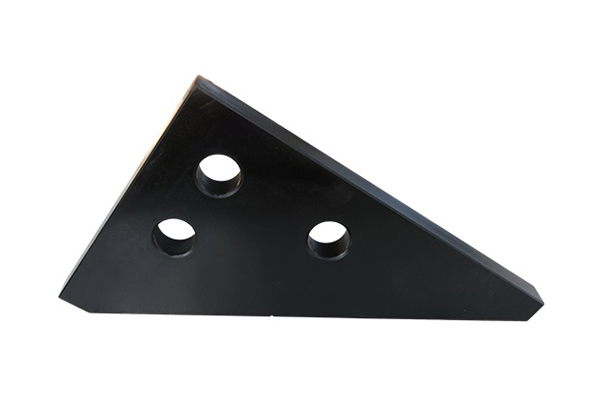
Black Granite Triangle Ruler
Granite Triangle Ruler
The Ultimate Reference for Precision Angular Measurement
A Granite Triangle Ruler is a master-grade angular reference tool crafted from high-density granite to provide unparalleled stability,accuracy,and durability for establishing,verifying,and transferring precise 90-degree angles in metrology,quality control,and precision manufacturing applications.Unlike conventional metal squares,granite triangle rulers offer exceptional thermal stability,vibration damping,and wear resistance that ensure consistent accuracy across decades of demanding use.
Material and Construction Excellence
Premium Granite Selection
Each triangle ruler begins with carefully selected high-density black granite(minimum 2.95 g/cm³)known for its exceptional metrological properties:
Dimensional Stability:Thermal expansion coefficient of 5.5-6.5×10⁻⁶/°C ensures minimal dimensional change across temperature variations
Vibration Damping:Natural crystalline structure absorbs vibrational energy,preventing measurement"chatter"
Wear Resistance:Hardness of 6-7 on Mohs scale resists scratching and maintains edge integrity
Non-Magnetic Properties:Eliminates interference with sensitive measuring instruments
Precision Manufacturing Process
Single-Piece Construction:Machined from monolithic granite blocks to ensure uniform material properties
Multi-Stage Lapping:Progressive lapping achieves precise flatness and angular accuracy
Stress-Relief Processing:Extended thermal stabilization prevents future dimensional changes
Edge Hardening:Optional edge treatments enhance durability in high-use applications
Technical Specifications
Standard Accuracy Grades
Grade A(Inspection Grade)
Angular Accuracy:90°±5 arc-seconds
Straightness:±0.00005"per 12"(±0.00125mm/300mm)
Surface Finish:8-16 microinches Ra
Typical Applications:Quality control departments,production inspection
Grade AA(Laboratory Grade)
Angular Accuracy:90°±2 arc-seconds
Straightness:±0.000025"per 12"(±0.00063mm/300mm)
Surface Finish:4-8 microinches Ra
Typical Applications:Calibration laboratories,high-precision manufacturing
Angular Accuracy:90°±1 arc-second
Straightness:±0.000010"per 12"(±0.00025mm/300mm)
Surface Finish:2-4 microinches Ra
Typical Applications:Standards laboratories,primary reference
Standard Size Range
Leg Lengths:150mm(6")to 1000mm(40")with proportional thickness
Thickness:50mm(2")to 150mm(6")depending on length
Weight:Significantly heavier than equivalent steel squares,providing inherent stability
Geometric Features
True 90°Angle:Precision ground and verified
Parallel Edges:Opposite faces parallel within tight tolerances
Reference Surfaces:All working surfaces precision ground
Identification Markings:Laser-etched serial numbers and accuracy grade
Design Features and Variants
Standard Right-Angle Triangle
Classic L-Shape:Traditional design with two perpendicular arms
Equal Leg Options:Legs of equal or unequal lengths
Through-Hole Option:Central hole for handling and mounting
Edge Treatments:Beveled edges for safety and protection
Precision Square with Center Finder
Integrated Center Marks:Precision reference marks at exact center points
Additional Reference Edges:45°angles or other common angles
Mounting Provisions:Threaded inserts for fixture integration
Enhanced Grip Features:Textured or contoured handling areas
Special Application Variants
Extra-Long Triangles:Up to 2000mm(80")for large-scale applications
Ultra-Thin Profiles:For confined space applications
Reinforced Designs:Additional thickness at stress points
Custom Angle Triangles:Non-90°angles for specific applications
Accessory Integration
Magnetic Attachment Points:For securing to ferromagnetic surfaces
Insulated Handles:For temperature isolation during handling
Protective Carrying Cases:Custom-fitted for protection and transport
Verification Certificates:Individual calibration documentation
Measurement Applications
Squareness Verification
Machine Tool Alignment:Checking perpendicularity of machine axes
Fixture and Jig Validation:Verifying squareness of production tooling
Assembly Inspection:Confirming orthogonal relationships in assemblies
Layout Work:Establishing precise right angles for marking and setup
Straightness Reference
Surface Plate Extension:Providing elevated reference edges above surface plates
Edge Reference:Establishing straight datum edges for measurement
Alignment Verification:Checking straightness of machine ways and guides
Contour Comparison:Reference for irregular surface evaluation
Combined Measurement Functions
Height Transfer:Using as an elevated reference for height gauges
Parallelism Checking:Reference for measuring parallel surfaces
Flatness Assessment:Supplementary reference for surface evaluation
Angle Comparison:Reference for verifying other angular tools
Industry-Specific Applications
Aerospace Manufacturing
Airframe Component Inspection:Verifying orthogonal relationships in structural components
Tooling Master Validation:Checking squareness of assembly fixtures
Composite Layup Tools:Reference for mold and tool squareness
Engine Component Alignment:Precision alignment of turbine components
Automotive Production
Body-in-White Inspection:Squareness verification of vehicle structures
Fixture Calibration:Regular verification of production fixtures
Component Assembly:Ensuring proper orthogonal alignment
Quality Control Stations:Standard reference for production inspection
Machine Tool Industry
Machine Alignment:Precision setup of milling machines and machining centers
Spindle Squareness:Verification of spindle alignment to tables
Fixture Validation:Checking production fixtures before use
Maintenance Reference:Standard for machine recalibration and maintenance
Precision Engineering
Prototype Development:Establishing precise angles during prototyping
Measurement System Setup:Reference for CMM and optical system alignment
Tool Making:Reference for precision tool and die manufacture
Research Applications:Reference standard for experimental setups
Mold and Die Making
Mold Base Squareness:Verification of mold base components
Ejection System Alignment:Ensuring proper alignment of ejection systems
Cooling Line Layout:Reference for precise hole pattern layout
Final Inspection:Comprehensive verification before shipment
Proper Use and Handling Techniques
Optimal Measurement Practices
Temperature Stabilization:Allow ruler and workpiece to reach thermal equilibrium
Clean Contact Surfaces:Ensure both ruler and measured surfaces are clean
Proper Support:Support long rulers at multiple points to prevent deflection
Consistent Pressure:Apply uniform,gentle pressure during measurements
Handling Protocol
Two-Hand Support:Always support with both hands when moving
Edge Protection:Use provided edge protectors during transport
Designated Storage:Store in protective case or dedicated rack
Regular Inspection:Check for damage before each use
Maintenance Procedures
Regular Cleaning:Use granite-specific cleaners and soft cloths
Surface Protection:Apply protective coatings if recommended
Damage Assessment:Professional evaluation of any impacts or chips
Periodic Recalibration:Regular verification of accuracy
Certification and Traceability
Comprehensive Documentation
Each granite triangle ruler includes:
Individual Calibration Certificate:Documenting actual measured accuracy
Material Certification:Verifying granite density and properties
Measurement Uncertainty Statement:Quantifying calibration confidence
Traceability Documentation:Linking to national measurement standards
Calibration Methodology
Laser Interferometry:Precise angular measurement using autocollimators
Electronic Level Comparison:High-precision electronic angle verification
Master Square Comparison:Comparison against higher-grade reference standards
Comprehensive Reporting:Detailed documentation of all verification measurements
Recalibration Services
Recommended Intervals:Annual recalibration for critical applications
On-Site Service:Mobile calibration services available
Certificate Updates:Updated documentation with each recalibration
Historical Tracking:Maintained accuracy history over time
Advantages Over Alternative Materials
Compared to Steel Squares
Superior Stability:10×better dimensional stability across temperature changes
Vibration Damping:Absorbs measurement vibrations for more consistent readings
No Rust or Corrosion:Maintains accuracy in humid environments
Long-Term Accuracy:No stress relief or warping over time
Compared to Aluminum Squares
Greater Rigidity:Significantly higher stiffness prevents flexure
Better Wear Resistance:Maintains edge sharpness longer
Thermal Stability:Minimal expansion compared to aluminum
Professional Grade Perception:Conveys commitment to precision
Compared to Composite Squares
Proven Longevity:Decades of reliable service with proper care
Material Consistency:Uniform properties throughout the material
Temperature Performance:Stable across wider temperature ranges
Industry Acceptance:Widely recognized and trusted standard
Customization Options
Special Dimensions
Non-Standard Leg Lengths:Custom ratios and dimensions
Enhanced Thickness:For extra rigidity in specific applications
Unique Geometries:Special shapes for specific measurement tasks
Multiple Angles:Tools with several reference angles
Special Features
Integrated Level Vials:Built-in spirit levels for combined measurements
Magnification Strips:Optical aids for precise edge alignment
Lighting Integration:Built-in LED illumination for edge viewing
Digital Angle Readouts:Electronic angle measurement integration
Surface Treatments
Contrast Enhancement:Surface treatments for better visual contrast
Wear-Resistant Coatings:Protective treatments for high-use areas
Anti-Static Treatments:For cleanroom or electronic applications
Custom Markings:Company logos,identification,or instructional markings
Investment Value and ROI
Long-Term Cost Benefits
Extended Service Life:Properly maintained rulers last 20+years
Reduced Recalibration Frequency:Stable accuracy reduces recalibration needs
Minimal Maintenance:No rust prevention,coating renewal,or corrosion repair
Consistent Performance:Reliable accuracy throughout service life
Quality Improvement Impact
Reduced Measurement Uncertainty:More reliable squareness verification
Improved Process Control:Better alignment leads to better products
Reduced Scrap and Rework:Early detection of squareness issues
Enhanced Customer Confidence:Demonstrated commitment to precision
Professional Value
Industry Recognition:Granite tools signal professional measurement capability
Training Value:Excellent tools for teaching precision measurement
Standards Compliance:Meets requirements for certified quality systems
Competitive Differentiation:Distinguishes high-precision operations
Selection Guidelines
Choosing the Right Grade
Production Inspection:Grade A typically sufficient
Calibration Laboratories:Grade AA recommended
Standards Rooms:Grade 优良 for primary references
Educational Use:Grade A for teaching and training
Size Selection Considerations
Largest Workpiece:Should accommodate largest components to be measured
Workspace Constraints:Consider available storage and handling space
Frequency of Use:Larger sizes for dedicated stations,smaller for portable use
Measurement Requirements:Match size to required measurement precision
Feature Requirements
Handling Needs:Consider weight and ergonomics
Environmental Conditions:Special treatments for harsh environments
Integration Requirements:Compatibility with existing systems
Future Needs:Allow for potential future requirements
Technological Integration
Digital Enhancement
QR Code/NFC Tags:Instant access to calibration history and documentation
Smart Sensor Integration:Built-in temperature and humidity sensors
Wireless Connectivity:Data transfer to measurement recording systems
Augmented Reality Alignment:Integration with AR systems for guided measurement
Advanced Material Developments
Hybrid Composites:Granite-polymer blends for enhanced properties
Nanostructured Surfaces:Improved wear resistance and cleaning
Active Vibration Control:Integrated damping systems
Thermal Compensation:Smart materials that adjust for temperature changes
Future Development Directions
Integrated Measurement Systems:Combined angle and straightness measurement
Automated Verification:Self-checking capabilities
Cloud Documentation:Real-time access to calibration
 Recommended News
-
What are the typical application scenarios for marble platforms in precision instrument assembly?
2026-01-06 11:04:39
-
What are the key parameters to consider when selecting a marble platform?
2026-01-05 11:03:18
-
How to Prevent Accuracy Degradation of Marble Platforms After Long-Term Use?
2026-01-04 11:01:28
-
Marble Platform vs. Granite Platform: Which Material is More Suitable for High-Precision Measurement?
2026-01-03 10:58:16
Contact Us
—— Hotline:+86 13833738896
—— Hotline:+86 17332777263
—— Email:gongliliangju@163.com
—— Whatsapp:+8615832706206
—— Address:Beihan Village, Haocun Town, Botou City, Cangzhou City, Hebei Province, China